
Key Takeaways
- Separated parents usually continue to share parental responsibility for important decisions affecting their child, unless a court order says otherwise.
- Parenting arrangements should focus on the best interests of the child, including their safety, well-being, and relationships with both parents, where appropriate.
- Equal parental responsibility does not automatically mean equal time with each parent after separation.
- Parenting arrangements can be made through informal agreements, parenting plans, mediation, or parenting orders through the family court.
- Family law encourages separated families to resolve parenting disputes cooperatively wherever possible before going to court.
What should separated parents know about their rights and responsibilities?
After separation, parents retain important responsibilities and decision-making duties for their children under Australian family law. Parenting arrangements, parental responsibility, and care decisions should focus on the best interests of the child while supporting their safety, welfare, and ongoing family relationships wherever appropriate.
- Separated parents usually continue to share parental responsibility for major decisions affecting their child.
- Parenting arrangements can be made through agreements, mediation, or parenting orders from the family court.
- The best interests of the child remain the primary consideration under the Family Law Act 1975.
What are each parent’s legal rights after separation?
Australian law recognises the importance of both parents having a meaningful relationship with their children, where possible, and encourages both parents to be involved in their children’s lives. However, the key consideration in all matters of parental responsibility is the best interests of the child.
Under the Family Law Act 1975 (Cth), there is a presumption that it is in a child's best interests for both parents to have a meaningful relationship with them, unless there are factors that would make such a relationship harmful to the child. This applies equally to fathers and mothers.
Parents may have the right to:
- Participate in major long-term decisions: This can include decisions about education, religion, medical treatment, and other important aspects of a child’s life.
- Spend time with their child: Parenting arrangements may allow a child to spend regular time with each parent when safe and appropriate.
- Access important information about their child: Parents may be entitled to access school reports, medical records, and other information relating to their child’s care and well-being.
- Apply for parenting orders through the family court: If separated parents cannot agree on arrangements for children, either parent may seek parenting orders from the court.
- Seek legal advice and dispute resolution support: Parents may use mediation, Family Relationships Online, legal aid, or specialist family law services to help resolve parenting disputes or child custody after separation.
What is parental responsibility, and what does it mean?
Parental responsibility refers to the legal authority and responsibility parents have to make important decisions about their child’s care, welfare, and development under Australian family law. This can include decisions relating to education, medical treatment, religion, and living arrangements.
Does equal shared parental responsibility mean equal time?
No. Equal shared parental responsibility relates to decision-making responsibilities, not to automatic equal-time arrangements. The family court will assess what parenting arrangements are in the best interests of the child based on the circumstances of each family.
Can parental responsibility be changed by the court?
Yes. The court may make parenting orders that allocate parental responsibility differently if it considers this necessary to protect the child’s welfare, safety, or best interests, particularly in cases involving family violence or ongoing parenting disputes.
What does section 60CA of the Family Law Act 1975 mean for parenting orders?
Section 60CA of the Family Law Act 1975 is crucial when considering parenting arrangements post-separation. It explicitly states that when a court makes parenting decisions, it must consider the best interests of the child as the paramount consideration.
What this means in practice:
.svg)
Meaningful relationship with both parents
The Act encourages arrangements in which both parents remain involved in their child’s life after separation, acknowledging the role each plays in a child's emotional and psychological development.

Safety concerns
If there are concerns about family violence, abuse, or harm, these will be a significant factor in determining the parenting arrangement. The law prioritises the child's safety over a relationship with both parents.

Shared parental responsibility
Both parents are generally entitled to share responsibility for decisions about major aspects of their child’s life, such as education, health, and religious upbringing, unless a court determines otherwise.
How do courts decide parenting arrangements?

When separated parents cannot agree on parenting plans, the family court will assess the family's circumstances and determine which parenting arrangements are in the child's best interests.
- The child’s safety and protection from harm.
- The court prioritises protection from abuse, neglect, and family violence.
- The benefit of meaningful relationships with both parents
- The child’s emotional and developmental needs
- Each parent’s ability to care for the child
- The practical nature of parenting arrangements
- The child’s views and maturity
- The history of each parent’s involvement
- Any existing parenting plans or court orders
Shared care, equal time and what it really means
Separated parents often assume that equal shared parental responsibility automatically means equal time with a child. Under Australian family law, however, parental responsibility and care arrangements are separate concepts, and the family court will focus on what is practical and in the child's best interests.
How can a father gain primary care or time with their child after separation?
In Australia, the term "custody" is no longer used in the Family Law Act, and instead, the focus is on parenting orders. Each parent can seek parenting orders that determine where the child will live and how time with each parent is arranged. Courts encourage both parents to be involved in the child’s care where possible, but ultimately, the child's best interests take precedence.
To win parenting orders or to have significant time with the child, a father (or any parent) must do the following:
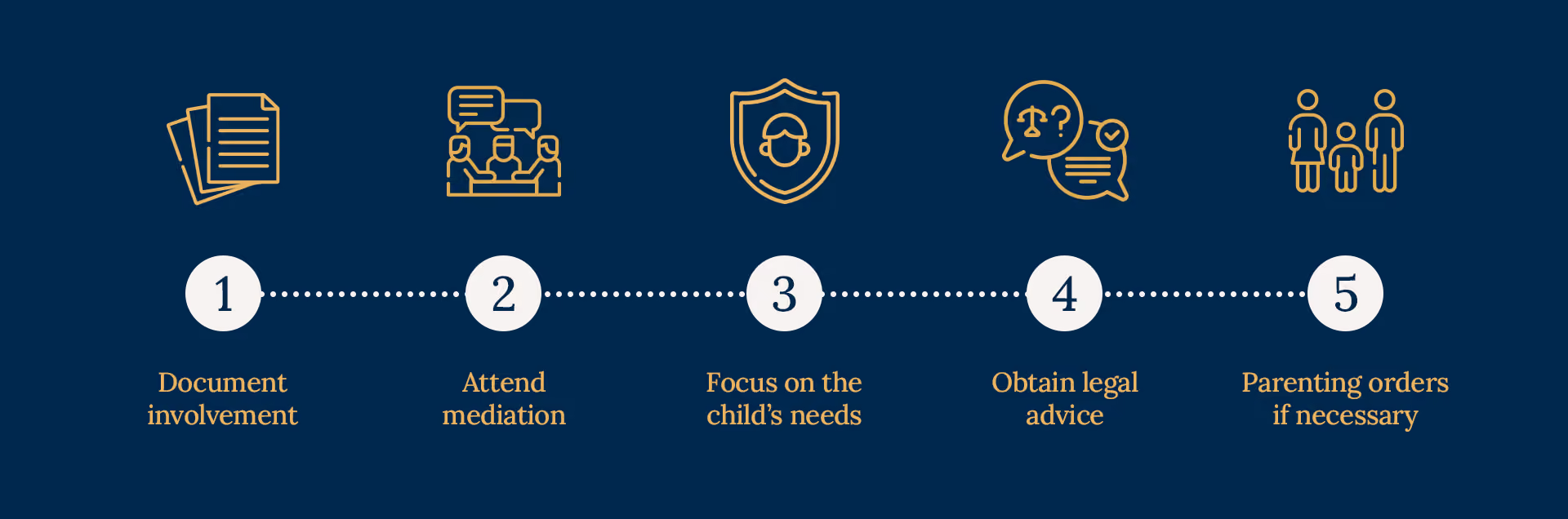
- 01

Document your involvement in your child’s care
Keep records of your involvement in schooling, medical appointments, routines, extracurricular activities, and day-to-day parenting responsibilities.
- 02

Participate in mediation or family dispute resolution
Family law encourages separated parents to attempt mediation before applying to the family court for parenting orders.
- 03

Work toward practical parenting arrangements
Where possible, try to agree on arrangements that support the child’s stability, welfare, and ongoing relationships with both parents.
- 04

Obtain legal advice about your parenting options
A family lawyer can help you understand parental responsibility, parenting arrangements, and what evidence may be relevant if disputes arise.
- 05

Apply for parenting orders if necessary
If an agreement cannot be reached, either parent may apply to the family court for parenting orders that determine care arrangements and parental responsibility.
Who gets parenting responsibility and care of children after divorce?
After separation or divorce, parenting responsibility and care arrangements are not automatically given to one parent.
What are the legal rights of an unborn child in a separation or divorce?
The Family Law Act primarily deals with the rights of children once they are born. However, Australian law does acknowledge that parents, including fathers, have rights and responsibilities during pregnancy. Fathers can seek advice about their rights regarding decisions like medical treatment or the child’s name before birth, although these matters may be less clear-cut than post-birth parenting arrangements.
Practical implications
- Parents may still negotiate future parenting arrangements: Separated parents can discuss care arrangements, communication, financial support, and parenting expectations before the child is born.
- Family violence and safety concerns may affect future arrangements: The safety and welfare of both the child and parent can influence future parenting decisions and court considerations.
- Court applications may become relevant after birth: Parenting orders, parental responsibility arrangements, and child-related court applications are generally dealt with once the child has been born.
Need help with parenting arrangements?
Parenting disputes and care arrangements can feel emotionally overwhelming, especially when children are involved. Carew Counsel’s family law team can help you navigate parental responsibility, parenting orders, and practical next steps with clear and supportive legal advice.
What happens when a parent refuses to let the other parent see the child?
When separated parents disagree about parenting arrangements or access to a child, the situation can quickly become stressful and emotionally difficult for everyone involved. If one parent refuses to follow agreed arrangements or parenting orders, the law provides several options to help resolve the dispute. Here are some examples.
.svg)
A parent refuses to allow contact with the child
Separated parents are encouraged to first try resolving the issue through communication, negotiation, or family dispute resolution (FDR). Mediation is often required before applying to the family court for parenting orders.

Parenting arrangements cannot be resolved privately
If mediation or negotiation is unsuccessful, either parent may apply to the family court for parenting orders. The court will assess the child’s welfare, safety, family relationships, and best interests before making a decision.

A parent breaches existing parenting orders
If a parenting order is already in place and one parent refuses to comply, the other parent may seek to enforce the order through the courts. This could lead to the parenting orders being varied, the court ordering make-up time, the parent in breach being fined or held in contempt of court, plus other consequences.
What are the options besides going to court?

Separated parents are encouraged to resolve parenting disputes cooperatively wherever possible before starting formal court proceedings. Depending on the circumstances, parenting arrangements may be managed through informal agreements, legally recognised consent orders, or family court litigation where disputes cannot be resolved safely or effectively.
When can parenting orders be changed or reviewed?
Parenting orders may be changed or reviewed when there has been a significant change in circumstances affecting the child or the separated family. Under Australian family law, the family court will generally require evidence that a reconsideration of the parenting arrangements is necessary and in the best interests of the child.
Examples of changed circumstances may include concerns about a child’s safety or welfare, relocation, changes in schooling or medical needs, family violence, ongoing parenting disputes, or significant changes in a parent’s ability to care for the child. As children grow older, their needs, routines, and views may also change.
Before returning to court, separated parents are usually encouraged to attempt mediation or family dispute resolution to try to resolve the issue cooperatively. If an agreement cannot be reached, either parent may apply to the family court to vary the existing parenting orders.
Signs parenting orders may need review:
- The child’s circumstances or needs have significantly changed
- Existing parenting arrangements are no longer practical or safe
- One parent is repeatedly breaching the parenting orders
Special issues: grandparents, step-parents and third-party rights
Family law recognises that children may have important relationships with people beyond their parents, including grandparents, step-parents, and other significant caregivers. In some circumstances, these individuals may apply for parenting arrangements or court orders where ongoing involvement is considered to be in the best interests of the child.
- Children can benefit from maintaining meaningful family relationships where appropriate
- Parenting arrangements may involve people other than biological parents
- The family court focuses on the child’s welfare, safety, and best interests

Grandparents and family relationships
Grandparents may apply for parenting orders or arrangements that allow them to spend time with a child if ongoing involvement supports the child’s wellbeing and family relationships.

Step-parents and caregiving roles
A step-parent who has played an important caregiving role in a child’s life may seek parenting arrangements or involvement after separation in certain circumstances.
.svg)
Third-party parenting applications
Other significant individuals, including relatives or carers, may apply to the family court for parenting orders where they are closely involved in the child’s care or welfare.
.svg)
Family violence and safety concerns
Any concerns relating to family violence, risk, or the child’s safety may affect whether parenting arrangements involving third parties are appropriate.
What happens in high-conflict, family violence or relocation cases?
Some parenting disputes involve additional complexities that may affect parenting arrangements, parental responsibility, and the child’s safety. In these situations, the family court focuses heavily on protecting the child's best interests and reducing potential harm.
Family violence
- The court prioritises the safety and welfare of the child and the affected parent.
- Parenting arrangements may be limited, supervised, or changed where family violence concerns exist.
- Family violence orders and parenting orders may interact in some situations.
High-conflict parenting disputes
- Ongoing conflict between separated parents can affect the child’s emotional well-being.
- The court may encourage mediation, communication boundaries, or structured parenting arrangements.
- Evidence of repeated disputes or breaches may influence parenting orders.
Relocation matters
- One parent may need court permission before relocating with a child in certain circumstances.
- The court considers how relocation may affect the child’s relationships, schooling, and stability.
- Parenting arrangements may need to be reviewed if relocation significantly changes care arrangements.
How to choose the right family lawyer and get sound advice after separation
Finding the right family lawyer can help separated parents navigate parenting arrangements, parental responsibility, and family law disputes with greater clarity and confidence. The right advice can also help reduce unnecessary stress, delays, and conflict during the separation process.
- Consulting a family lawyer: A specialist family lawyer will be able to provide specific advice tailored to the parents' situation, especially if there are concerns about parenting arrangements.
- Mediation services: Many family law issues, including parenting disputes, can be resolved through mediation. You can access family dispute resolution services to help you reach a mutually acceptable agreement.
- Legal Aid: For parents who cannot afford private legal representation, legal aid services may be available, depending on their financial circumstances. These services can help guide you through the legal process and offer representation if necessary.
- Courts and legal resources: In some cases, you may need to apply to the courts for parenting orders. The court process can be lengthy and emotionally taxing, so having legal representation is highly recommended. Legal resources, such as the FCFCOA website, provide essential information on court processes and other useful information.
Helping your family move forward

Separation can be challenging, especially when children are involved, but the right legal guidance can help you make informed decisions with greater confidence. Carew Counsel supports separated families with practical advice focused on parenting arrangements, parental responsibility, and the best interests of the child. Talk through your parenting options with us today.
Table of contents